


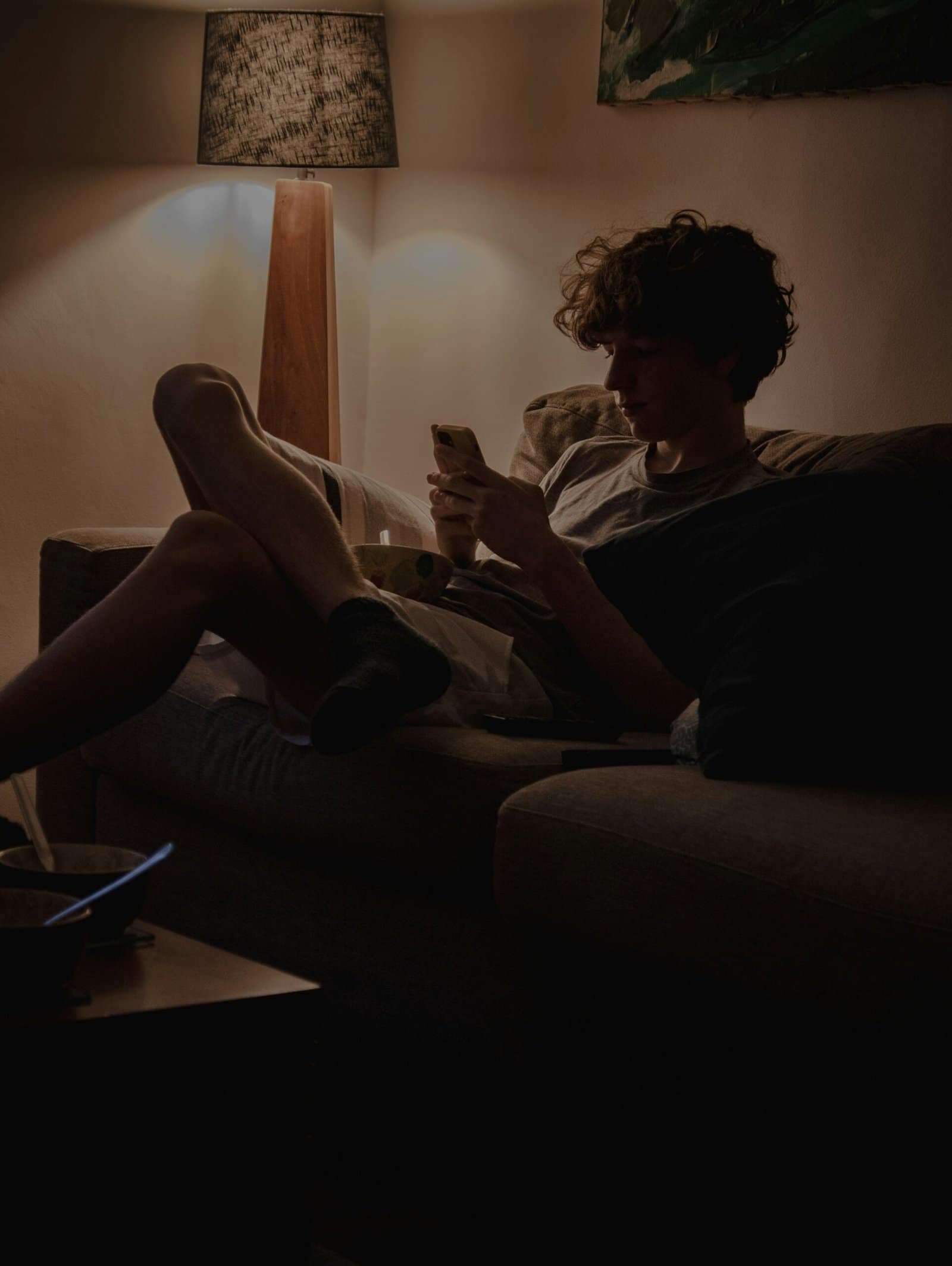
The moment the lights go off and the phone comes out, something subtle changes. The day version of the self starts slipping away. The role based identity built around work, errands, conversation, and public control loosens. In its place comes a quieter, more private self, one that is often closer to desire, loneliness, boredom, memory, and the need for something that feels immediate. This shift is one reason the night internet feels so emotionally different from the day internet.
One of the first changes is pace. People slow down physically, but their inner world often gets louder. Thoughts that were pushed aside during the day begin moving closer to the surface. In that state, the phone becomes more than a device. It becomes a doorway into mood. What someone opens, watches, or searches for in that hour often reflects what they are actually feeling more directly than anything they would choose earlier in the day.
Another change is honesty. At night, many people become more willing to admit what they want, even if only to themselves. The pressure to stay composed weakens. Curiosity feels less embarrassing. Longing feels harder to disguise. The screen gives just enough privacy for desire, restlessness, and emotional need to come forward without having to be explained or justified out loud.
The phone also changes the scale of the experience. It is close to the body, often held with total focus in an otherwise dark room. That physical closeness makes the digital interaction feel more intimate. The person is no longer engaging with the whole world at once. They are engaging with a narrow beam of attention that can become highly charged very quickly.
There is also a shift in inhibition. Fatigue, privacy, and the absence of social performance all combine to make people more emotionally responsive. A glance can feel stronger. A message can feel more personal. A live interaction can feel warmer. The same content that would seem casual in daylight can land with much more force once the person is tired and alone with their own thoughts.
Routine makes this even stronger. When the phone comes out at the same hour night after night, the body starts associating that ritual with a certain emotional state. Over time, the act of reaching for the phone is no longer just habit. It becomes part of how the person enters the emotional world of the night. That is why digital behavior can feel so automatic in those hours. The ritual itself has already begun before the content even appears.
Another thing that changes is what people count as enough. During the day, distraction may be fine. At night, people often want something that feels more direct. They want attention, atmosphere, or a mood shift strong enough to cut through the silence. The threshold for emotional impact changes. What works in the dark is often what feels personal, immediate, and alive.
This is why the nighttime self can seem like a different person. In many ways, it is not different. It is simply less buffered. The same desires and emotions were there all day, but the night removes enough noise for them to become visible, and the phone offers a fast path toward whatever might answer them.
So what changes in people once the lights are off and the phone comes out? They become a little less guarded, a little more emotionally honest, and a lot more tuned in to whatever might soften, sharpen, or transform the feeling of being alone with themselves.