


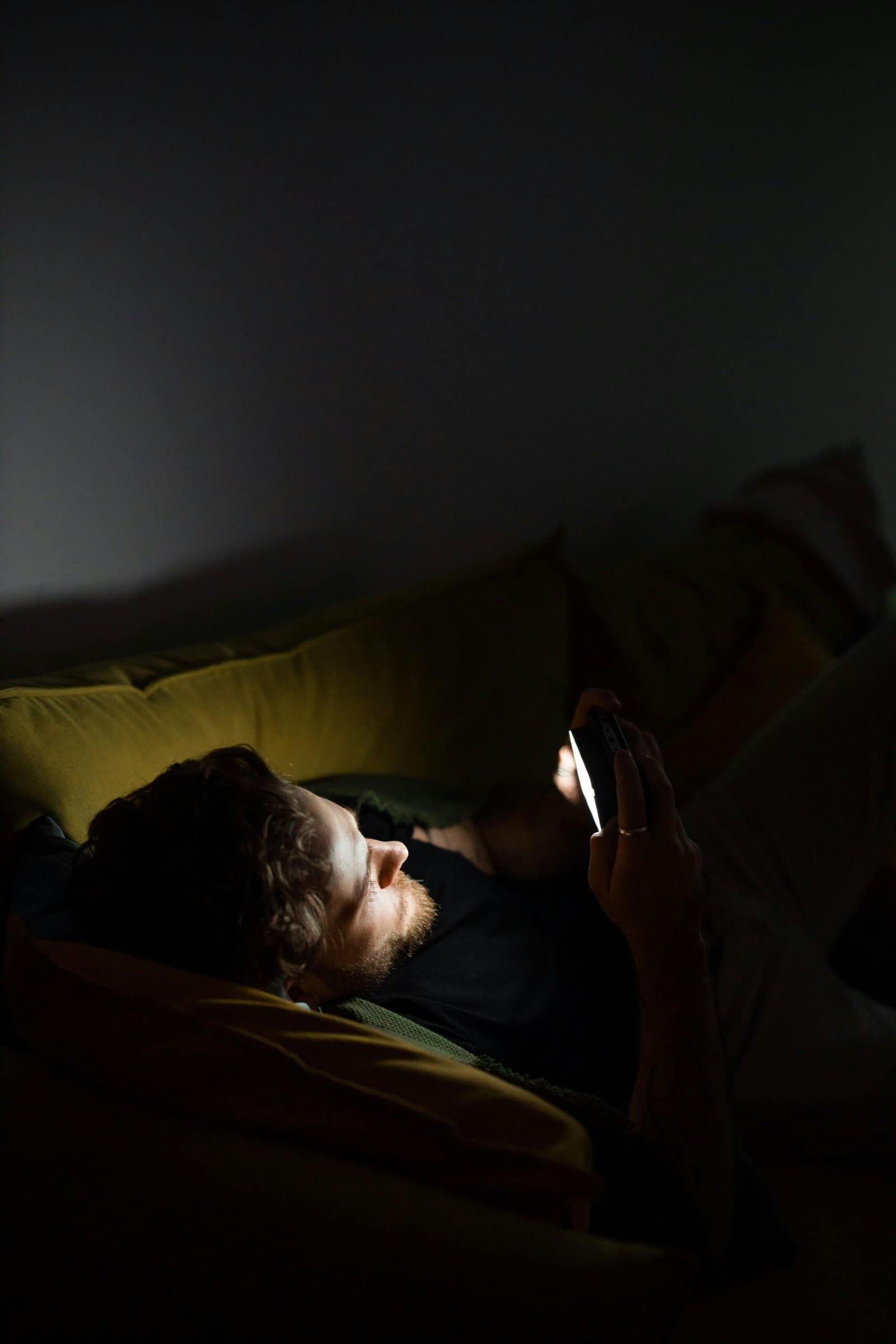
Late night has always had its own emotional temperature. The noise of the day fades out, distractions drop away, and whatever someone has been avoiding often becomes louder. It is the hour when boredom turns personal, loneliness feels sharper, and the urge for comfort becomes harder to ignore. That is exactly why live companionship has started to feel like a habit for so many people.
It fits the emotional shape of nighttime perfectly. People are not always looking for big answers at midnight. They are looking for presence. A little warmth. A little stimulation. Something that interrupts the flat feeling of staring at a screen and scrolling without purpose. Live interaction offers a direct answer to that need. It feels active, responsive, and emotionally immediate in a way that passive content does not.
There is also something important about timing. During the day, people are performing. They work, reply, manage, commute, and keep moving. At night, that structure falls away. What is left is often a quieter version of the self that wants to relax and feel something. That is where live companionship has an advantage. It is available at the exact time many adults feel most open, most curious, and most emotionally unguarded.
Unlike traditional social media, live spaces feel less like browsing and more like entering a mood. There is a human on the other side. There is energy. There is unpredictability. Even a short exchange can shift how the night feels. For someone who has spent hours feeling disconnected, that shift can become very meaningful very quickly.
Comfort habits are rarely about logic. They are about emotional repetition. People return to what reliably changes their state. Some make tea. Some watch familiar shows. Some call a friend. Increasingly, some log into live spaces because they know the interaction will bring a certain feeling. It may be light flirtation, attention, warmth, distraction, or just the relief of not feeling alone for a little while.
The internet has already trained people to build rituals around screens. What is changing now is the emotional quality of those rituals. A live room feels different from endless scrolling because it offers the possibility of response. The night stops being something you pass through silently. It becomes a space where something can happen.
This is one reason live companionship feels stronger than a trend. It is starting to function like a ritual. The same hour. The same mood. The same creator, sometimes. The same private sense of transition from a hard day into a softer state. Those rituals can become surprisingly meaningful because they attach comfort to a living presence instead of an algorithmic feed.
Of course, not every late night visit carries emotional depth. Sometimes people are simply curious or restless. But even then, the larger pattern is clear. Live companionship is becoming part of the way many adults manage their nights. It is not just entertainment. It is a habit shaped by mood, access, and the growing desire for connection that feels immediate instead of distant.
So is live companionship becoming the new late night comfort habit? For a lot of people, yes. It matches the hour, meets the mood, and offers exactly what late nights often demand most: presence that feels warm enough to break the silence.