


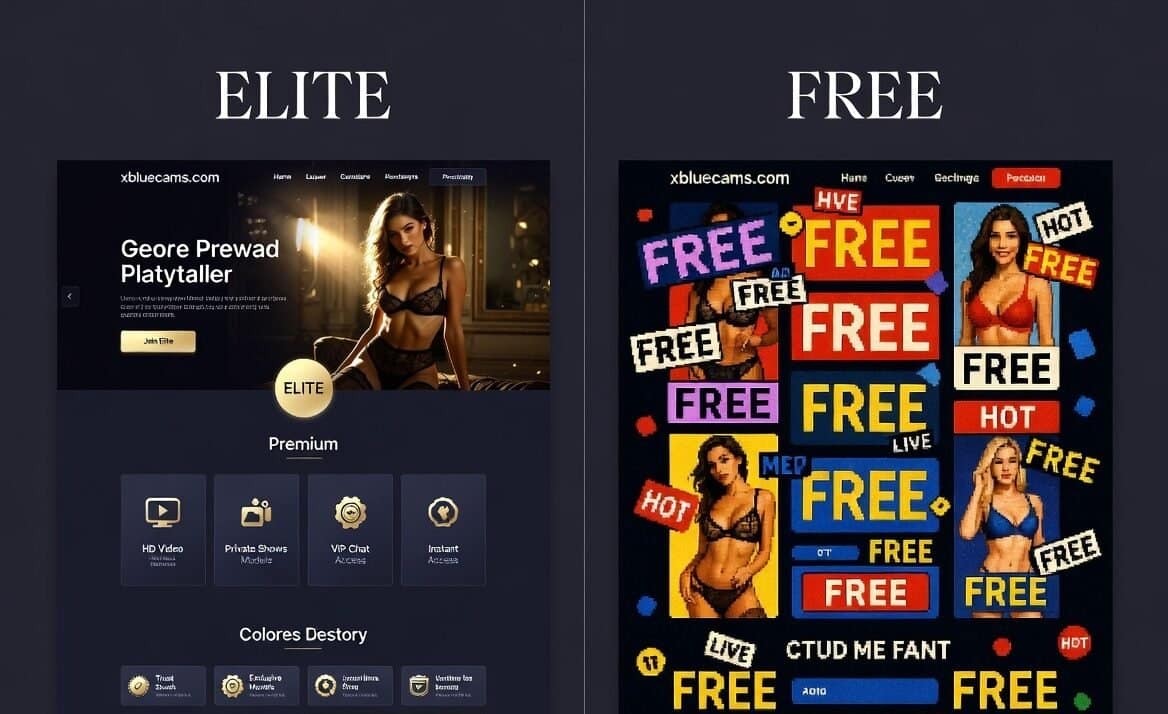
Most people do not need an hour to decide whether a live platform feels good. They know much faster than that. Sometimes it takes just a few screens, a few clicks, or a few seconds inside a room before they already have a strong reaction. The site feels smooth, interesting, and worth staying on, or it feels awkward, crowded, and easy to leave. That quick judgment matters because early experience often shapes whether a person keeps exploring or closes the tab without a second thought.
The first thing people notice is usually design, even if they do not think of it in those terms. A platform can look clean without feeling sterile. It can feel polished without being cold. Good spacing, readable text, strong contrast, intuitive menus, and a layout that does not overwhelm the eye all help create trust. If a site feels cluttered or visually noisy, the user starts working too hard too early. Once that happens, attention drops fast.
Speed matters just as much. When a live platform takes too long to load, stalls during browsing, or makes basic interactions feel delayed, it immediately loses some of its appeal. Live environments depend on momentum. People want to move from curiosity to experience without friction. A platform that feels quick creates a sense of confidence. A platform that feels sluggish creates doubt, even before the viewer can explain why.

Mood is another huge factor. Some live platforms feel energetic and modern, while others feel dated or transactional. That mood is created through everything from colors to image quality to how rooms are presented. A strong platform understands that users are not only looking for features. They are responding to atmosphere. If the atmosphere feels cheap, they assume the overall experience may be cheap too.
There is also the question of orientation. A good platform helps people understand where to go without making them think too much. Discovery feels natural. Navigation feels obvious. Filters, categories, and room browsing all work together instead of competing for attention. The best platforms make the user feel guided without making the guidance visible. That invisible clarity is one of the fastest ways to create comfort.
Another thing people notice quickly is whether the site feels alive. A strong live platform gives the sense that something is happening right now. Rooms look active. Creators feel present. The interface does not feel frozen or empty. Even if a person cannot name it directly, they are responding to the feeling of motion and possibility. That emotional signal is powerful because live spaces succeed when they feel current, not static.
Trust plays a role too. Users read cues very quickly. Payment flow, profile presentation, moderation signals, room quality, and general polish all shape whether the site feels dependable. Even subtle touches matter. If things look chaotic or poorly maintained, people assume the experience may not reward their time. If the site feels stable and thoughtfully built, they relax into it more easily.
What all of this shows is that live platforms compete on far more than content alone. In the first few minutes, users are judging responsiveness, beauty, clarity, and emotional tone all at once. That is why one site can feel better than another almost instantly. The difference is often not dramatic on paper, but it is very noticeable in the body. One feels easy to settle into. The other does not.
So what makes one live platform feel better than another in minutes? Usually it comes down to a blend of speed, clarity, mood, and trust. The best platforms remove friction before the user can even name it. That is what makes the experience feel natural so quickly, and that first impression often decides everything that follows.