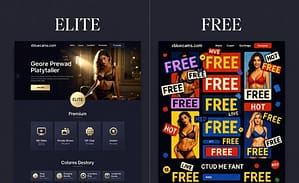



People can feel the difference between premium and cheap very quickly, even when they cannot explain it in technical terms. A platform either feels polished, confident, and worth spending time on, or it feels rushed, cluttered, and disposable. That reaction matters because premium is not only about appearance. It shapes trust, comfort, and whether users see the experience as worth returning to.
The first signal is design discipline. Premium platforms usually look like someone made careful decisions. Spacing feels balanced. Typography feels intentional. Colors work together instead of competing. The interface does not overload the eye. Cheap platforms often do the opposite. They crowd the screen, use inconsistent visual choices, and make everything feel louder than it needs to be. That noise lowers perceived value almost immediately.
Image quality matters too. A premium environment relies on strong thumbnails, good room presentation, and a visual hierarchy that makes browsing feel smooth. Cheap feeling platforms often look messy at the point of discovery. If the first layer of content feels low effort or badly presented, the user assumes the rest of the experience may be equally weak. Premium platforms understand that people decide quality long before they spend.
Another important factor is restraint. Premium products are confident enough not to scream. They do not drown the user in aggressive banners, flashing prompts, or crowded calls to action. They create focus. Cheap products often chase attention so hard that they destroy the very atmosphere they are trying to monetize. In live spaces, that loss of atmosphere is especially damaging because mood is part of the product.
Trust is part of premium too. A good platform feels stable. Payments feel clear. Navigation feels safe. Rooms feel current. Moderation cues feel present. Even small details matter. If users sense chaos, poor maintenance, or weak product thinking, the site loses some of its premium feeling no matter how attractive the overall concept may be. Trust is not a side feature. It is part of the design language of quality.
Premium also shows up in how a platform respects the user’s attention. Strong sites do not waste time. Search works properly. Discovery feels useful. Menus make sense. Performance stays smooth. Those are not glamorous things, but they are the hidden architecture of a premium experience. Cheap feeling platforms often break down in these exact areas, forcing users to work harder than they should to get anywhere meaningful.
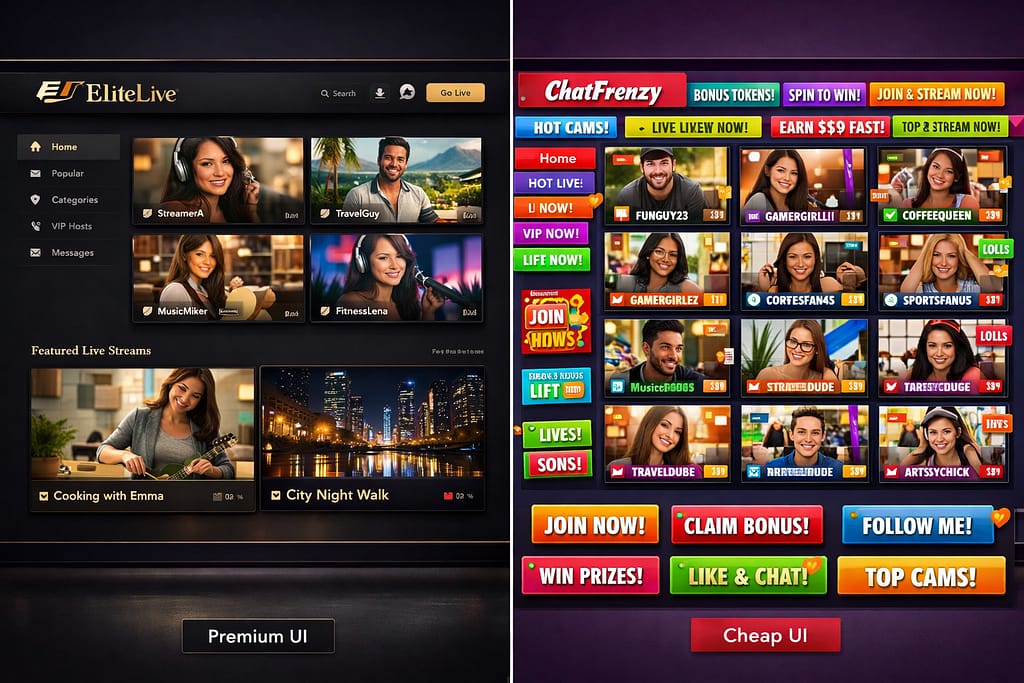
The emotional tone matters just as much as the functional one. A premium cam platform tends to feel immersive, modern, and thoughtfully put together. It creates a sense that the user is entering a curated digital environment. A cheap one tends to feel more transactional, as if it exists only to push action as fast as possible. That difference changes how people behave. Premium encourages exploration and comfort. Cheap encourages quick judgment and faster exit.
There is a branding element too. Platforms that feel premium often have a stronger overall identity. Their visuals, tone, layout, and room presentation all seem to belong to the same world. That consistency gives them character. Cheap platforms often feel assembled from disconnected parts, which makes the whole experience feel less trustworthy and less memorable.
So what actually makes a cam platform feel premium instead of cheap? It is rarely one dramatic feature. It is the accumulation of good decisions. Clean design, visual restraint, trust signals, smooth navigation, strong atmosphere, and a coherent brand world all work together. When those pieces align, users feel the difference immediately, and that feeling has a direct impact on whether they stay, spend, or return.