


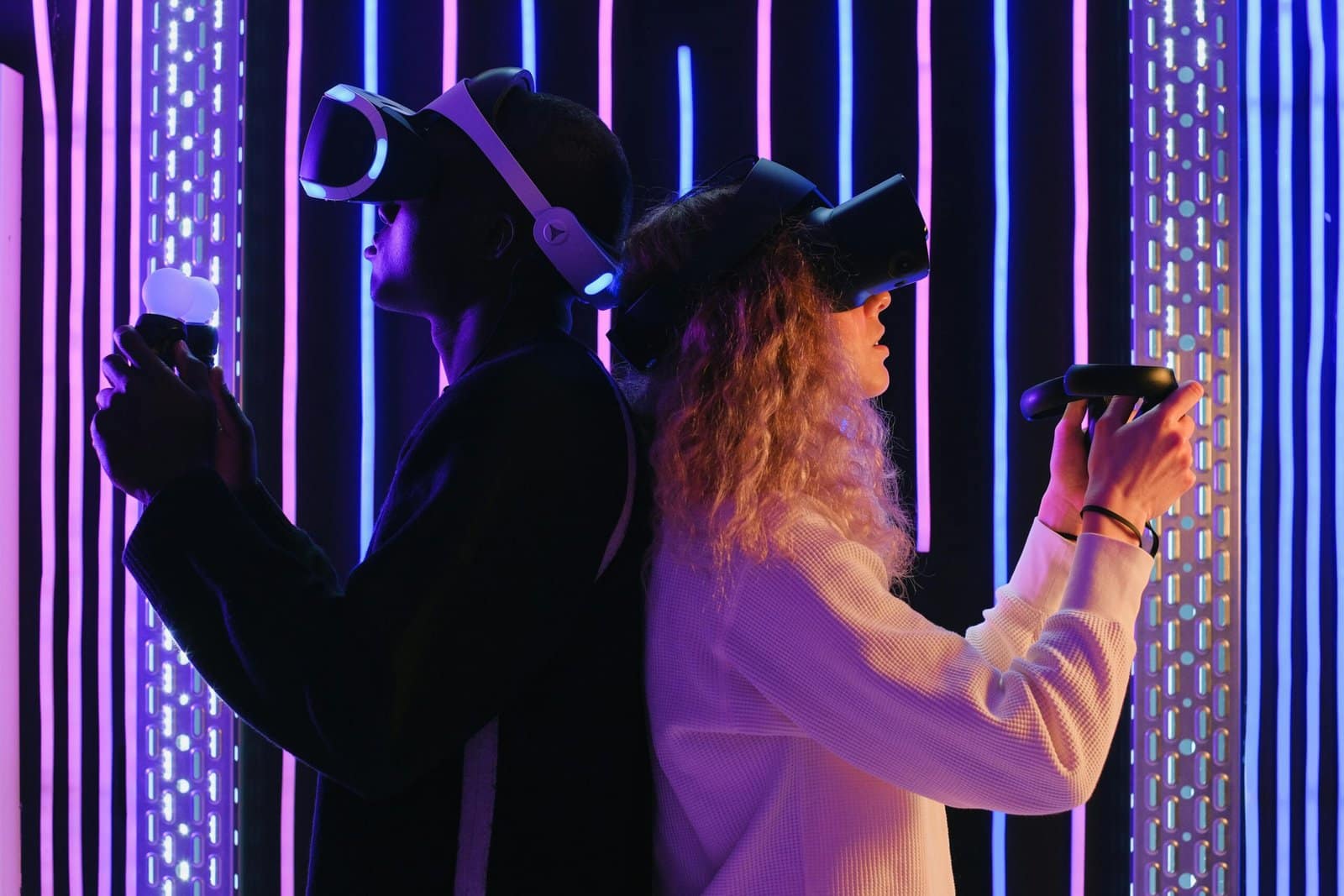
Modern relationships are not starting where they used to. In many cases, they begin through screens, grow through messages, deepen through repeated digital presence, and only later move into the physical world if they move there at all. That does not mean physical connection has stopped mattering. It means the architecture of closeness has changed. More of the relationship now forms in virtual space before anything material happens in person.
This shift makes sense when you look at how people live. Work is online. Entertainment is online. Friendships are sustained online. Desire, loneliness, and curiosity all move through devices throughout the day. In that environment, it would be stranger if relationships had not become more virtual too. The screen has become one of the main places where emotion is initiated, tested, and repeated.
One reason relationships feel more virtual now is that emotional momentum builds faster in digital spaces. A person can message all day, stay present late at night, share moods in real time, and form a sense of ongoing connection without needing to be physically near someone. That continuity creates intimacy, even when nothing physical has happened yet. In some cases, the emotional part of the relationship becomes very developed before the physical part has had any chance to catch up.

There is also a practical reality behind this change. Physical relationships require coordination. Time, location, schedules, and energy all have to line up. Virtual interaction removes much of that friction. People can stay connected from bed, from work, from travel, or from the quiet part of the evening when the need for attention feels strongest. The lower effort of digital contact makes it easier for relationships to grow in that space first.
Another factor is emotional safety. Many people feel more able to express themselves through a screen than they do in person. They are more honest, more vulnerable, and more willing to show uncertainty when they are not exposed to the immediate social pressure of being in the room. That creates a strange but real effect. Some people become emotionally intimate online long before they become physically comfortable around each other.
At the same time, virtual relationships can become highly immersive because they fit into routine so naturally. Good morning messages, late night conversations, regular check ins, private jokes, and constant low level contact all build attachment. In many cases, the relationship becomes woven into the day long before it ever becomes physical. That kind of routine is one reason virtual closeness now feels so central to modern relationship life.
This does not mean physical connection is becoming irrelevant. Physical presence still reveals things that the screen cannot fully carry. But what is changing is the order of operations. Emotional intimacy is often beginning online, and the physical relationship is being built afterward or, in some cases, never fully replacing the digital one. That reverses a pattern older generations often took for granted.
There are risks in this shift, of course. Virtual closeness can create projection, confusion, and emotional imbalance if people mistake constant contact for total compatibility. But even with those risks, the broader pattern is clear. Relationships are not only becoming more virtual in form. They are becoming more virtual in feeling, structure, and daily presence.
So are modern relationships getting more virtual than physical? In many ways, yes. Not because people have stopped wanting real life closeness, but because virtual space has become the first place where closeness is now built, practiced, and emotionally believed.