


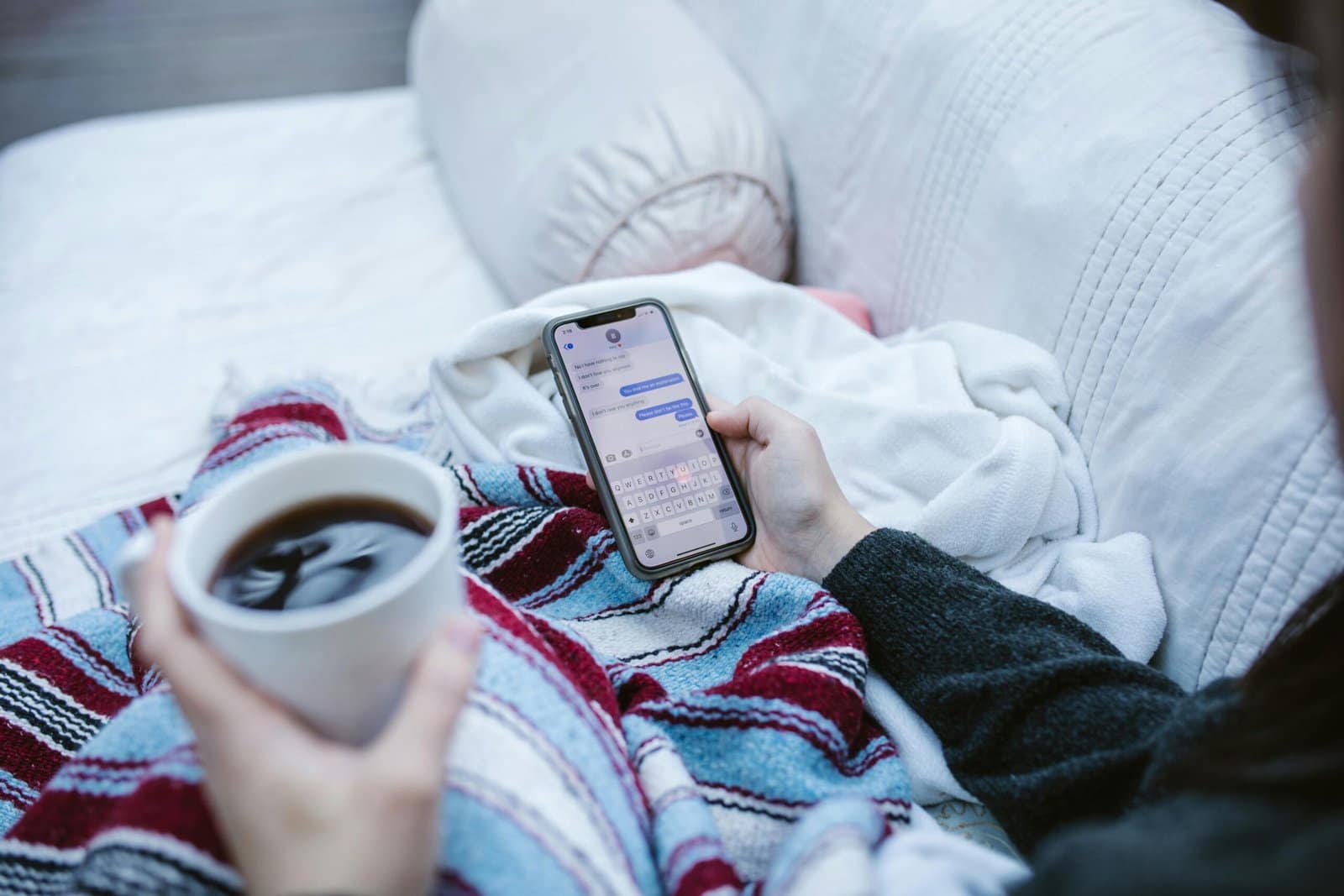
A lot of men say things online that they would never say out loud in a room. They admit loneliness, insecurity, desire, confusion, stress, and emotional exhaustion in spaces where they might otherwise stay quiet. That can seem surprising if you assume honesty should come more easily in person. But for many men, the opposite is true. The internet feels like a safer place to reveal emotional reality than ordinary life does.
One reason is pressure. In person, many men still feel watched by expectations around control, confidence, and emotional restraint. Even in relationships or friendships, those expectations do not disappear as fully as people often pretend. Online, some of that pressure softens. A screen creates distance, and distance lowers the immediate fear of being judged, interrupted, or forced to manage someone else’s reaction in real time.
There is also a difference in pace. In a face to face conversation, vulnerability can feel exposing because it arrives all at once. Online, the pace feels more manageable. A man can say something difficult and still retain a sense of control over the moment. He can watch how it lands. He can choose whether to go further. That control makes emotional expression feel less risky.
Another factor is the type of connection online spaces can create. Some digital interactions feel less tied to long term identity. A man may feel freer to reveal something to a person outside his daily social world because that person is not linked to his family, work, friend group, or public reputation in the same way. The reduced overlap can make honesty feel emotionally lighter, even when the disclosure is serious.
Many men are also carrying unmet needs for attention and softness that do not fit easily into how masculinity is often performed offline. In online spaces, especially in more intimate or focused environments, they may finally feel able to say what they are actually feeling instead of what they think they are supposed to say. That does not mean the internet is somehow healthier by default. It means it can sometimes create conditions where honesty becomes possible.
There is a practical truth here too. Online spaces are often available at the exact times people feel most likely to open up. Late at night, after work, during loneliness, after conflict, or in the quiet hours when everything they have pushed down during the day starts rising again. Emotional honesty is often a matter of timing, and the internet is there when that timing hits.
This pattern also reveals something uncomfortable about modern relationships and social life. If so many men find it easier to open up online than in person, that suggests offline spaces are still not creating enough room for male vulnerability to feel ordinary. The internet is not causing that gap. It is exposing it.
Of course, opening up online comes with its own risks. People can reveal too much too quickly, attach deeply in the wrong spaces, or confuse emotional release with actual support. But none of that changes the core reason the pattern exists. Online, many men finally feel less trapped by performance and more able to say what has been sitting underneath it.
So why are so many men opening up more online than in person? Because the screen gives them something everyday life often does not: enough safety, distance, and control to let honesty come through without feeling immediately dangerous.