


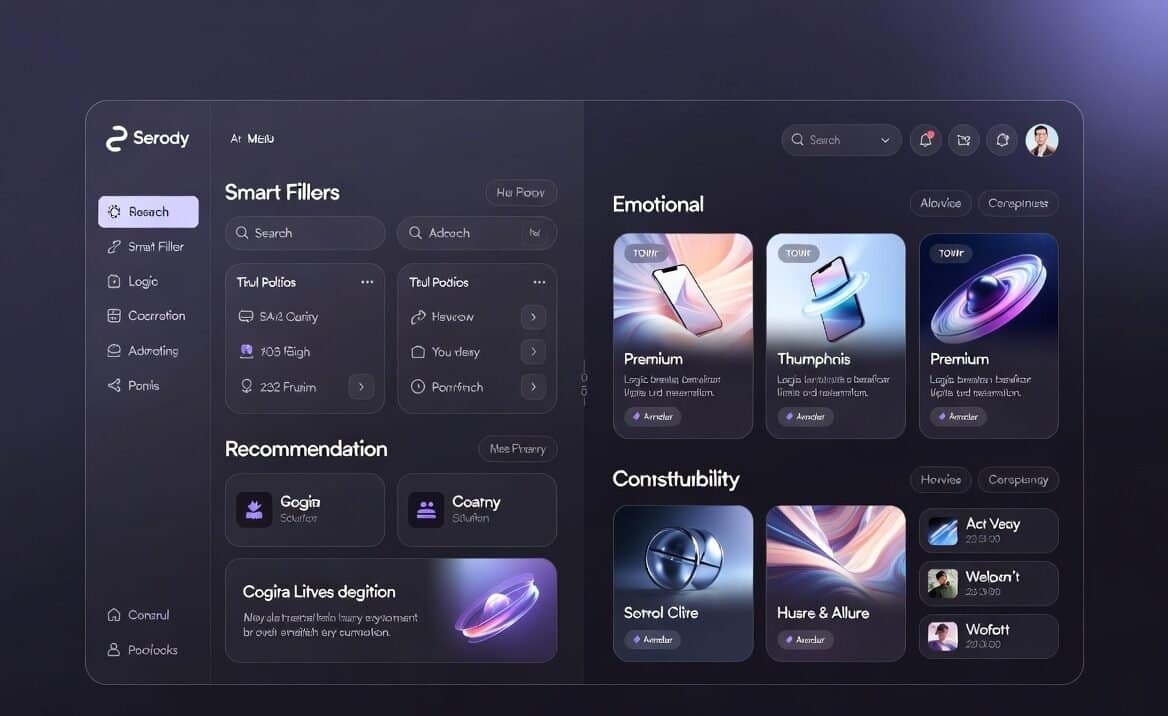
It is easy to assume that users choose platforms rationally. Better filters, better recommendations, better performance, better discovery tools. All of those things matter. But when people talk about the sites they actually enjoy, their reasons are often less technical than expected. They remember how a place feels. They remember the mood, the flow, the comfort, and whether the overall experience had the right energy. That is why the real question is not only about features. It is about features versus vibes.
The honest answer is that both matter, but not equally at every moment. Features often get a user in the door or help them navigate once they are inside. Vibes are what make them want to stay. If a platform has excellent tools but feels cold, dated, or overly transactional, users may still leave quickly. On the other hand, a site with fewer standout features can hold attention longer if the atmosphere feels smooth, modern, and emotionally attractive.
This happens because most people experience digital products emotionally first and logically second. They notice whether a platform feels calm or chaotic, elegant or cheap, intimate or sterile. Those impressions form quickly and color everything that follows. A user may not say out loud that the vibes are wrong, but the body often decides long before the mind explains anything.
That does not mean features are unimportant. Bad search, poor mobile performance, confusing navigation, and weak discovery can absolutely damage the experience. But once the basic functional level is strong enough, the emotional layer becomes much more influential. At that point, the user starts choosing between platforms not just by what they can do, but by which one feels better to spend time inside.
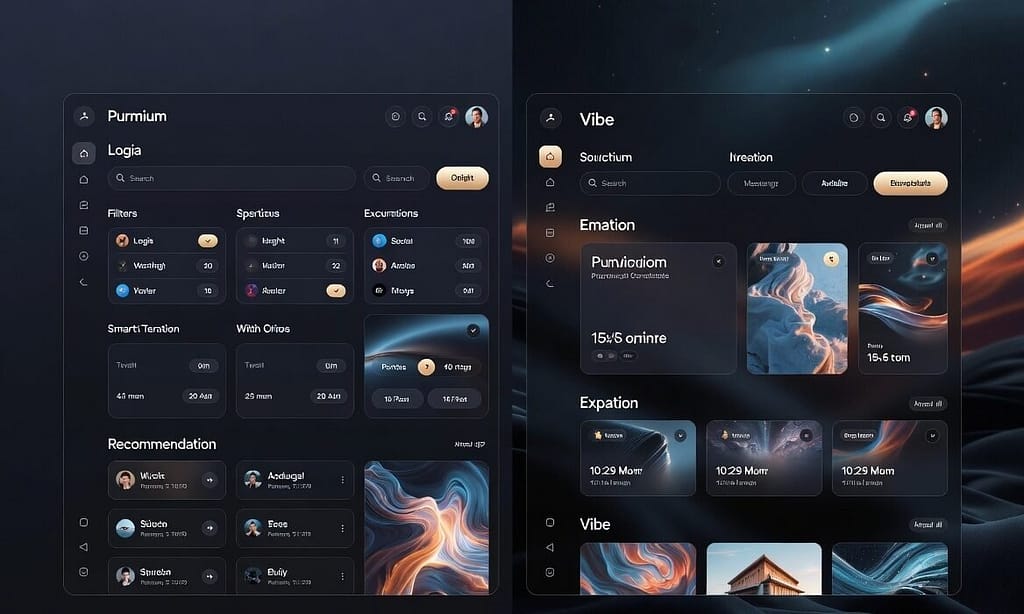
Vibes are created through many small elements working together. Color choices, image presentation, pacing, room layout, typography, thumbnail quality, and how much visual noise the site creates all shape the emotional tone. If those pieces align well, the platform feels coherent. If they do not, the user senses friction even when they cannot point to a single obvious flaw.
There is also something unique about live platforms in particular. Users are not simply browsing information. They are moving through mood driven spaces where chemistry, presence, and timing matter. In that kind of environment, vibes can become commercially important. They affect whether a user feels relaxed enough to explore, curious enough to continue, and emotionally engaged enough to return later.
Another thing to consider is memory. People do not always remember features clearly. They often remember the feeling of the experience instead. A site that feels premium, easy, and emotionally alive creates a stronger aftertaste than one that is technically capable but emotionally flat. That aftertaste influences whether someone comes back the next night or forgets the platform entirely.
The smartest platforms understand that this is not really an either or situation. They build strong features underneath while shaping the surface experience with care. In other words, the best sites hide their functionality inside a vibe that feels effortless. Users enjoy the feeling and only later realize how well the product is actually working.
So are viewers looking for better features or better vibes? In practice, they are usually looking for a platform where features are good enough and vibes are strong enough to make the experience feel worth staying in. That balance is what separates a usable site from one people genuinely want to come back to.