



The idea of a fully immersive digital future has been promised for years. People imagine headsets, virtual worlds, simulated presence, and experiences that feel almost indistinguishable from real life. In some ways, that future is still further away than the hype suggests. In other ways, it is already arriving through smaller advances that are changing how live digital connection feels right now. The real question is not only how close we are. It is what immersion will actually mean once it gets here.
Many people assume immersion depends on dramatic hardware, but emotional immersion often begins much earlier than that. Better sound, sharper video, lower latency, smoother motion, and stronger responsiveness can already make a live interaction feel far more absorbing than it used to. The user does not need a futuristic headset to feel pulled deeply into a digital experience. They need technology that gets out of the way enough for attention to lock in.
Virtual reality and augmented reality will likely play a role over time, especially as devices become lighter, cheaper, and easier to use casually. But hardware alone will not define the future. The deeper shift will come from whether those tools can preserve comfort, emotional realism, and social rhythm. If the technology feels awkward or demanding, people will not stay with it just because it looks advanced.
Artificial intelligence may also shape immersion in quieter ways. Smarter translation, more responsive moderation, better recommendations, adaptive interfaces, and systems that learn user preference can all make digital environments feel more alive and more personally relevant. That relevance matters because immersion is not only about visual depth. It is also about whether the experience feels like it is meeting the person where they already are emotionally.
Another thing pushing us closer is the blending of devices and habits. Phones, tablets, desktops, wearables, and connected environments are slowly creating a more continuous digital life. The future of live connection may not arrive as one giant leap into a single virtual world. It may arrive as a layered reality where digital intimacy becomes smoother and more ambient across many forms of access.
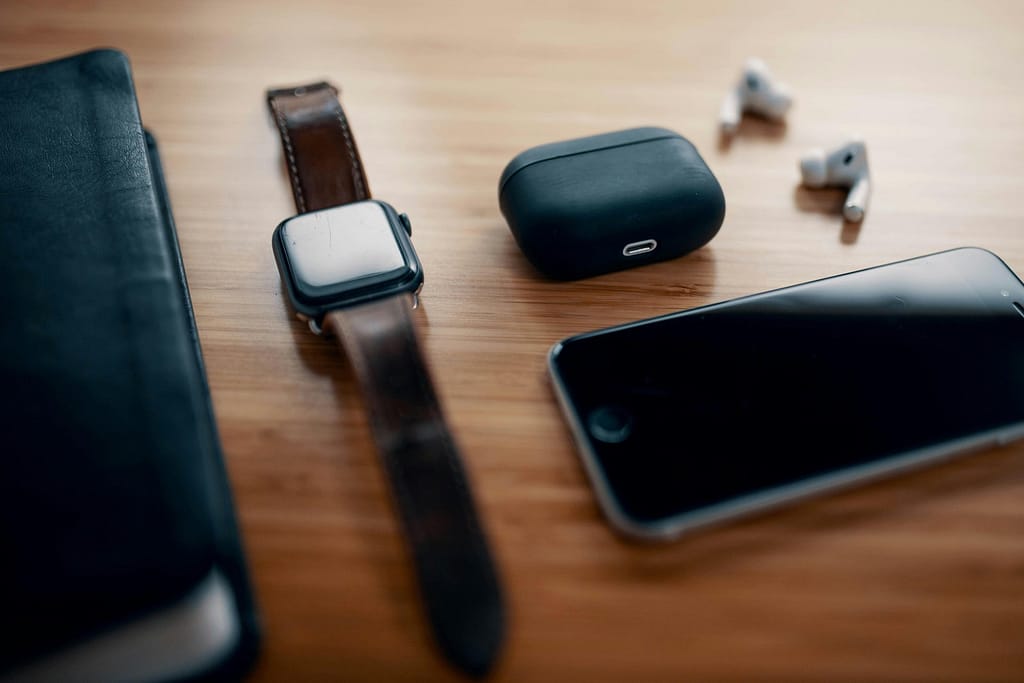
There is also a social side to immersion that technology cannot ignore. People want the future to feel personal, not just impressive. The systems that succeed will be the ones that make presence more believable, interaction more natural, and emotional cues easier to read. If a platform creates visual spectacle without emotional coherence, it may attract curiosity but fail to build lasting attachment.
What makes this moment so interesting is that users are already being trained toward more immersive expectations. They want smoother products, more personalization, stronger realism, and less friction between curiosity and connection. Those expectations are pulling platforms toward a future where digital presence feels richer, more layered, and more immediate than before. The demand is already there. Technology is catching up in pieces.
At the same time, full immersion does not necessarily mean perfect simulation. For many people, a digital experience only needs to feel emotionally convincing, not physically identical to real life. If the attention feels alive, the pacing feels natural, and the interaction feels personally meaningful, immersion is already happening at a level that matters.
So how close are we to a fully immersive future for live digital connection? Closer than the old internet ever allowed, but probably in a more subtle form than science fiction promised. The future is likely to arrive through realism, responsiveness, and emotional depth before it arrives through spectacle alone.