

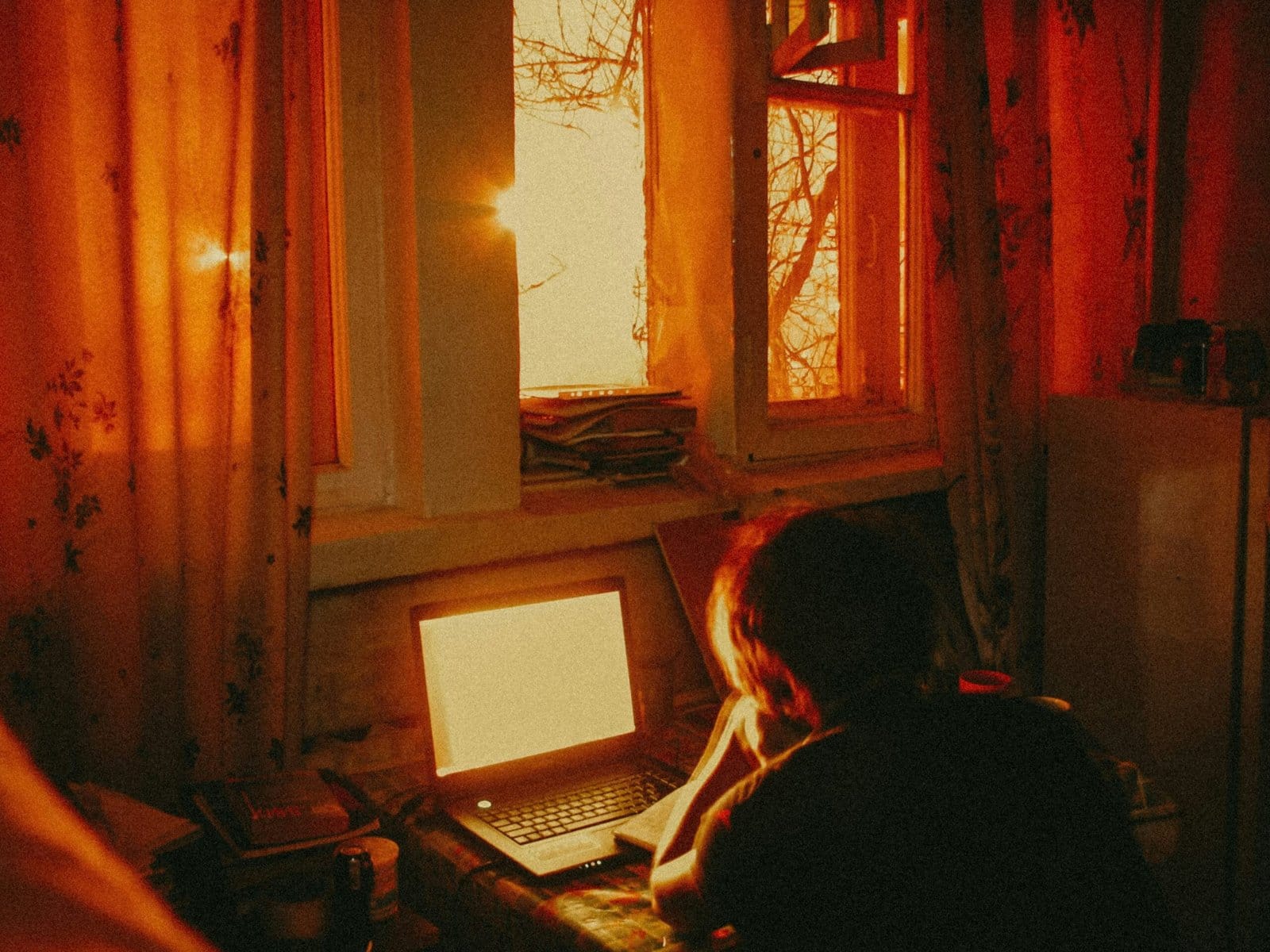
Late night browsing has a different atmosphere from everything that happens earlier in the day. The same screen, the same platform, and even the same content can feel more intimate after dark than it ever would in the middle of an ordinary afternoon. That shift is not only about privacy. It is about the emotional tone people bring to the night and the way digital spaces start feeling more like extensions of the self when the world grows quiet.
One reason it feels personal is the setting itself. Late at night, people are often alone or emotionally alone even if others are nearby. The room is quieter. The body is more relaxed or more tired. The phone is physically close. That combination makes the digital experience feel less public and more internal. The person is not simply consuming content. They are interacting with it from inside a more private version of themselves.
Another reason is timing. Night tends to draw people closer to the feelings they keep moving past during the day. Boredom, longing, curiosity, desire, and vulnerability all become easier to notice. When browsing begins in that emotional state, the interaction takes on more weight. A small moment of connection can feel larger than it objectively is because it meets the person in a softer and more receptive state.
There is also something very specific about the phone at night. It stops feeling like a general device and starts feeling like a personal channel. It is close to the body. It is held in one hand. It is often the only bright thing in the room. That creates a kind of focused intimacy around the experience. What is happening on the screen begins to feel less like browsing and more like a private encounter with mood.
Late night browsing can also feel personal because the user is usually not performing for the day anymore. The social version of the self becomes weaker. There are fewer reasons to stay polished, efficient, or emotionally guarded. That makes the interaction more direct. The person is less filtered, so the content or connection they are drawn toward can feel more revealing of what they actually want.
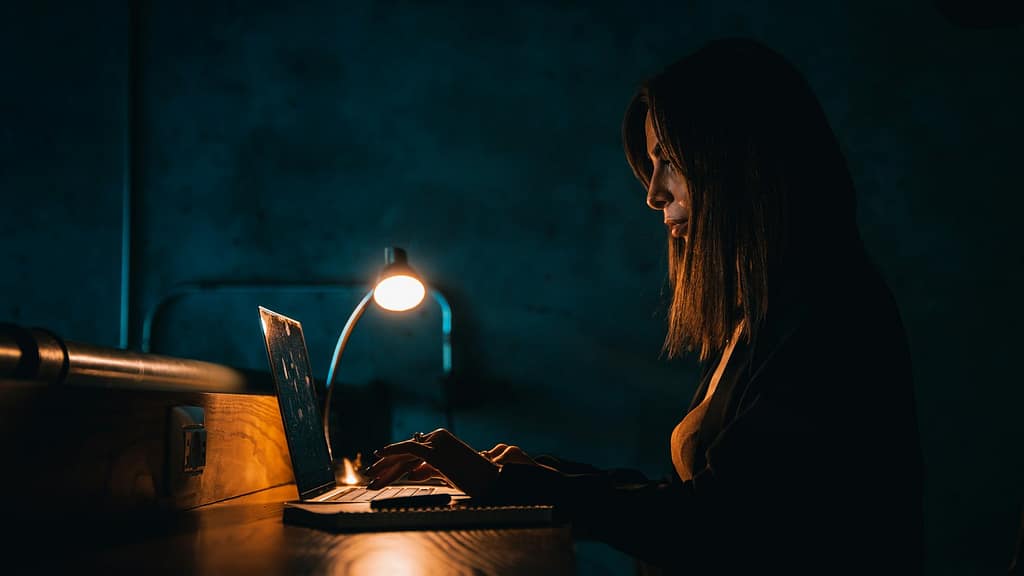
The digital environment itself responds to this. Notifications feel more intimate. Live interactions feel more direct. Even passive scrolling can feel strangely confessional because of what the person chooses when nobody else is watching. The night turns browsing into a kind of emotional mirror. It reflects what the user is seeking when they are most private, most tired, and often most honest with themselves.
Another layer is repetition. Many people browse in similar late night states again and again, which turns the act into a ritual. Over time, the behavior becomes linked with comfort, escape, stimulation, or quiet emotional release. Once that association forms, browsing is no longer neutral. It starts carrying the same emotional familiarity as any other nighttime habit.
This is why the late night internet feels different from the daytime internet. It is not only a place of content. It becomes a place of mood. The person enters it not just to look, but to feel something or soften something. That is what makes even small interactions feel unusually close to the skin.
So what is it about late night browsing that feels so personal? It happens at the hour when privacy, emotion, and attention all tighten around the same screen, and that makes the whole experience feel much more intimate than it looks from the outside.